
Ever wondered how long your perfect salon-fresh acrylics will actually last? You leave the salon with flawless nails and suddenly, the countdown begins.
Fast forward two weeks. You notice a gap forming near your cuticle, a nail lifting, and you start to wonder: Wasn’t this supposed to last longer?
The reality is, acrylic nails have a predictable lifespan and most people aren’t sure what really affects it. Once you understand the factors, you can easily get more weeks out of every set without extra salon visits.
Let’s break it all down, starting with how long acrylic nails really last and what determines their longevity.

Acrylic Nails Average Lifespan
Acrylic nails last 2-3 weeks before needing a fill, which fills in the gap that appears as your natural nail grows. With proper care, this period can reach the full 3 weeks. A complete replacement, called a full set, is needed after 6-8 weeks, when the acrylic is no longer performing well or has become too thick from repeated fills.
The timeline for acrylic nails depends on whether you need a fill or a full replacement. A fill adds acrylic to the new growth, maintaining your current set, while a full replacement removes the old acrylic and starts over with fresh product on each nail.
For fills
Acrylic nails need a fill every 2 to 3 weeks. A fill addresses the gap that forms as your natural nail grows, but the original acrylic structure remains. A fill adds new acrylic to the grown-out area, restoring the look and fit.
For a full set
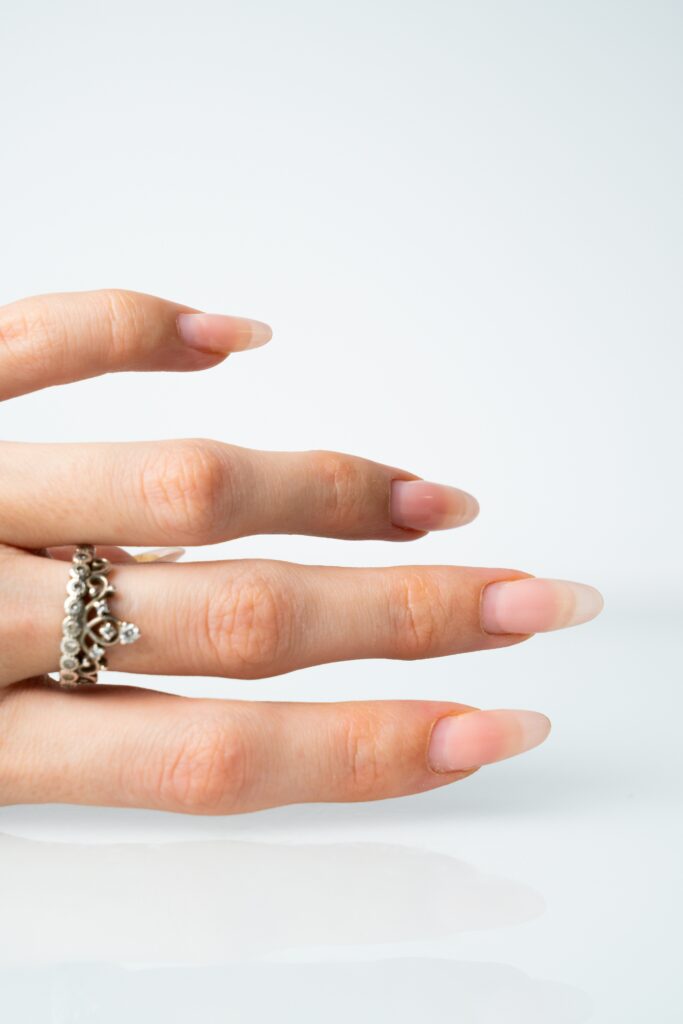
A complete set of acrylics can last 6 to 8 weeks before you need a full replacement. Full replacement is when all the acrylic is removed, and fresh product is applied to each nail from scratch, usually because the product has broken down, multiple nails are lifting, or too many layers from repeated fills have built up.
For daily wear
Day to day, well-applied acrylics should feel sturdy and chip-resistant for the full 2-3 weeks between fills. If they lift, break, or peel before your next fill, something likely went wrong during either application or aftercare.
Factors Affecting Acrylic Nails Average Lifespan
With the basic timeline in mind, you might wonder why there’s so much variation between people—and even between different sets. Now, let’s look at what actually affects lifespan.
Many people assume acrylics either last or don’t, as if it’s out of their control. That’s not the case.
Natural Nail Growth Rate
Everyone’s nails grow at a different pace. The average is about 3mm per month, but some people grow faster.
Faster growth of natural nails needs earlier filling. This is completely biological and not something you can change, but knowing it helps you plan your salon visits.
Application Quality
This is the biggest factor most people overlook. A nail technician who properly preps the nail, including removing oils, lightly buffing, and applying primer, creates a bond that lasts.
If steps are rushed or skipped during your appointment, you may find your acrylics lifting early or frequently.
Your Daily Activities
Think about your daily routines: typing all day can put pressure on your nails and weaken them at the sides. Washing dishes without gloves exposes nails to hot water and detergent, which can break down the acrylic bond. Activities like gym workouts or gardening introduce extra stress and may cause lifting or chipping.
None of this means you can’t have acrylics and live your life. It just means you need to adjust a few habits.

Aftercare Habits
What you do after leaving the salon controls at least 40% of your acrylic lifespan. More on this below.
Signs Your Acrylics Need A Fill Not A Replacement
Understanding when to get a fill versus a full replacement prevents unnecessary expenses and keeps your nails healthy. Let’s break down the signs for each.
You need a fill when:
- There’s a visible gap between your cuticle and the acrylic (normal after 2-3 weeks)
- The acrylic surface looks slightly dull but remains attached
- One or two nails have minor lifting only at the cuticle edge
- The shape has grown out, but most of the acrylic is still solid.
A fill covers the gap and adds acrylic to the new growth, keeping your set intact.
You need a full replacement when
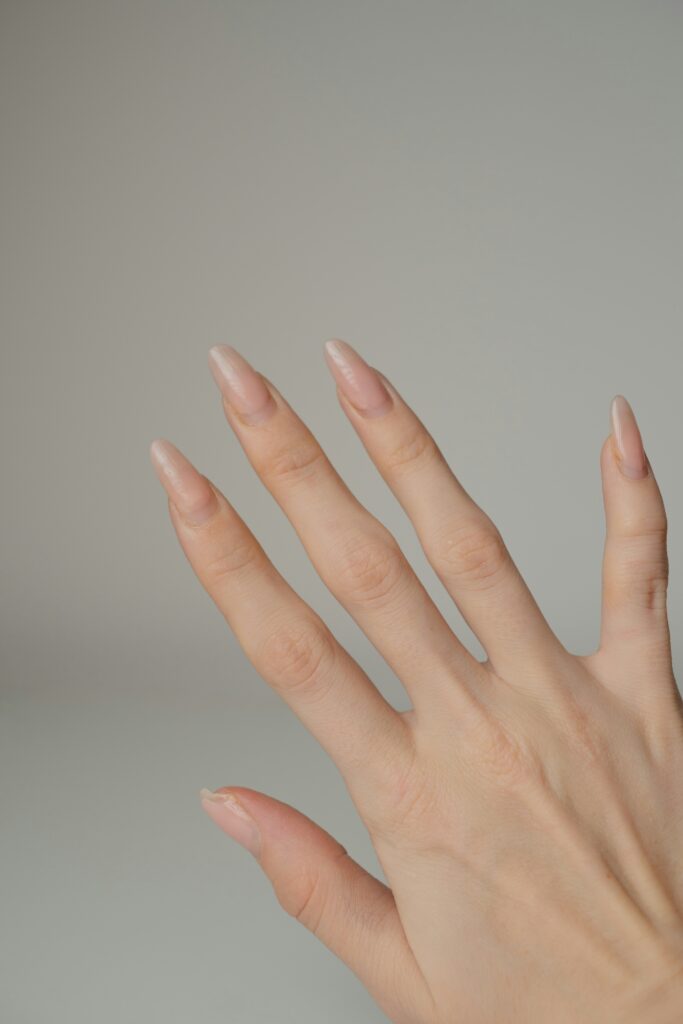
- Multiple nails lift significantly, especially at the sides
- You notice greenish discoloration under the acrylic (potential infection; remove immediately)
- The acrylic feels thick, uneven, or has built up from several fills
- It’s been over 8 weeks since your last new set.
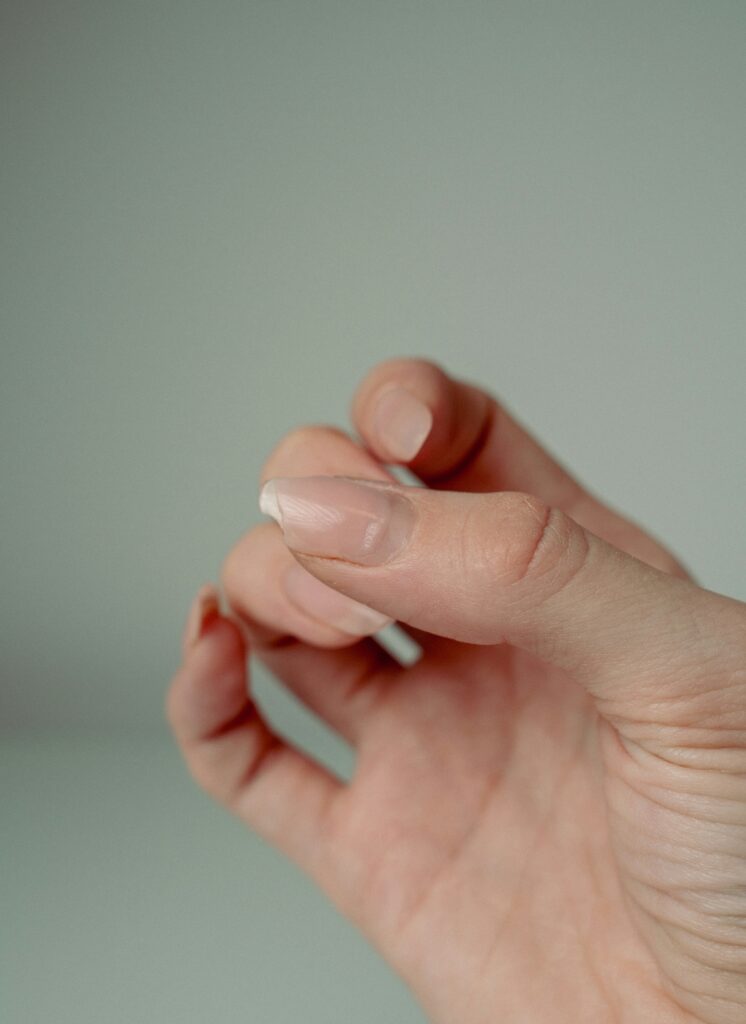
Full replacement involves removing all old acrylic and reapplying new product to each nail, basically starting fresh.
Most nail techs advise no more than 2-3 fills before a full replacement. With each fill, additional acrylic is applied to new growth, but over time, layers add up. At this point, soaking off all acrylic and reapplying a fresh set keeps your nails looking healthy and natural.
Signs You Need Immediate Full Replacement Right Now
Severe lifting on most nails. When the acrylic separates from the natural nail, moisture and bacteria get trapped underneath. This creates the perfect environment for a nail infection.
If you see greenish or yellowish spots under your acrylic, remove the set that day.
Acrylics should never hurt. If pressing on a nail causes discomfort, there may be trapped moisture or the acrylic may be exerting too much pressure on your natural nail.
After 8+ weeks, the product simply looks wrong. The length-to-nail-bed ratio is off, fills are piling up, and starting fresh is the better option both aesthetically and for nail health.
How to Make Acrylic Nails Last Longer —6 Habits That Actually Work
This is the section you and your friends wish they’d found before their acrylics started lifting at week one.
Wear Gloves When Cleaning
Hot water and cleaning chemicals are the number one enemy of acrylic longevity. A simple pair of rubber gloves when washing dishes or cleaning the bathroom makes a noticeable difference. It can easily add 5-7 days to your wear time.
Push With Your Knuckles, Not Your Tips
Opening cans, typing aggressively, peeling stickers. These all put direct pressure on the tip of your acrylic, which is its most vulnerable point. Train yourself to use your knuckles or the pad of your finger for these tasks. It sounds small. It isn’t.
Apply Cuticle Oil Every Day
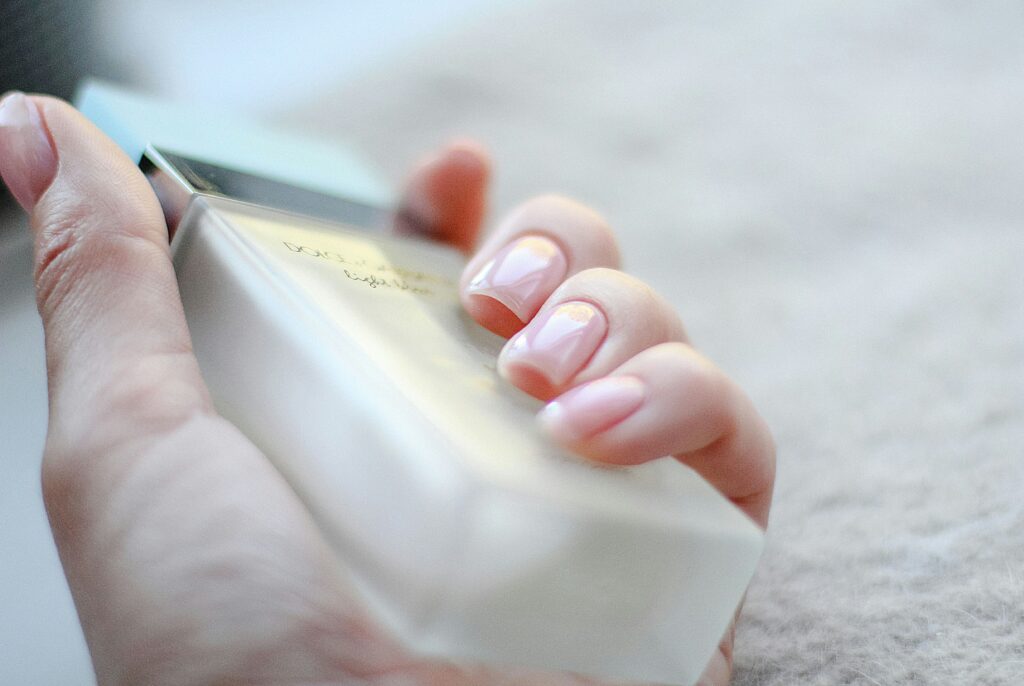
Hydrated skin around your nails means the seal between your skin and the acrylic stays flexible rather than brittle. Dry cuticles crack, and those cracks create entry points for moisture underneath the acrylic. Any cuticle oil works. Apply it at night before bed, and it takes 10 seconds.
Avoid Soaking Your Hands
Long baths, hot tubs, and swimming pools are hard on acrylics. If you swim regularly, apply a thin layer of regular nail polish over your acrylics to act as a sealant. Yes, regular nail polish works great over gel and acrylic nails for exactly this purpose.
Never Pick or Peel
It’s tempting to pick or peel at your acrylics, but doing so can damage the natural nail underneath. Picking at an edge or peeling off the acrylic weakens your nail, making future sets less secure. If a nail becomes bothersome, visit the salon or safely soak it off at home.
Top Coat Every Few Days
A thin layer of clear top coat applied every 3-4 days keeps the surface sealed and the color (if any) protected. Takes 2 minutes and meaningfully extends the polish on your nails between fills.
Acrylic Nails Lifespan vs. Other Nail Types
Wondering how acrylics compare to your other options?
| Nail Type | Fill/Touch Up | Full Replacement | Durability |
| Acrylic | 2-3 weeks | 6-8 weeks | Very high |
| Gel | 2-3 weeks | 4-6 weeks | High |
| Dip Powder | 3-4 weeks | 6-8 weeks | Very high |
| Press-On | N/A | 1-2 weeks | Low-medium |
| Regular Polish | Touch up 3-4 days | 5-7 days | Low |
| Gel Polish | N/A | 2-3 weeks | High |
Acrylics and dip powder are neck and neck for longevity. The main difference is that dip powder is generally considered gentler on natural nails. Acrylics, however, offer more flexibility in terms of length and shape.
Final Words
Acrylic nails last 2-3 weeks before a fill and 6-8 weeks before full replacement. But with the right habits, you can consistently hit the upper end of that range and keep your nails looking salon-fresh for longer.
The biggest factors in your control: wearing gloves when cleaning, applying cuticle oil daily, never picking at lifting edges, and not skipping your fill appointment.
Frequently Asked Questions
Can acrylic nails last a full month?
Yes, but only with a fill at the 2-3 week mark. Without a fill, the gap between your natural nail and the acrylic becomes too large and the risk of lifting and moisture trapping increases significantly. With a fill, you can easily take the same set to 6+ weeks.
Is it bad to keep acrylics on too long?
Yes, beyond 8 weeks without a full soak-off, bacteria and moisture can get trapped under lifted edges, increasing the risk of nail infections. Additionally, after multiple fills, the layers get too thick and start to look unnatural.
How often should I get a fill?
Every 2 to 3 weeks. Mark it in your calendar when you leave the salon. Waiting longer puts stress on the product and your natural nails.
Do acrylic nails damage natural nails?
Acrylics themselves don’t damage nails but the improper application and removal do. If your technician drills too aggressively during prep, or if you peel acrylics off rather than soaking them, you’ll see thinning and damage. Done correctly, acrylics are safe for long-term wear.
Is a fill better or a new set?
For most people on a regular 2–3-week schedule, fills are the better choice. They’re faster, cheaper, and preserve the existing bond. After 2-3 fills, or if there’s significant lifting, a full soak-off and new set is the smarter option.
What if one nail breaks before my fill appointment?
Don’t panic. Most salons will fix a single broken nail for a small fee, often under $5. If you’re comfortable with DIY, nail glue and a matching acrylic powder can do a passable temporary fix until your appointment.

