
You’re sneaking to the kitchen at midnight. Everything’s quiet. Then — creak.
That familiar groan from your hardwood floor is one of those sounds that can feel charming one day and incredibly frustrating the next. Whether you’re dealing with one stubborn plank or a whole room that sounds like a haunted house, you’ve probably asked yourself: why do wood floors creak, anyway?
The good news? Creaking floors are almost always fixable. But before you can silence them, you need to understand what’s causing the noise in the first place.
In this guide, we’ll break down the real science behind squeaky floors, walk you through the most common causes, and give you expert-backed solutions — from quick DIY fixes to when it’s time to call a professional.
What Actually Causes Wood Floors to Creak?
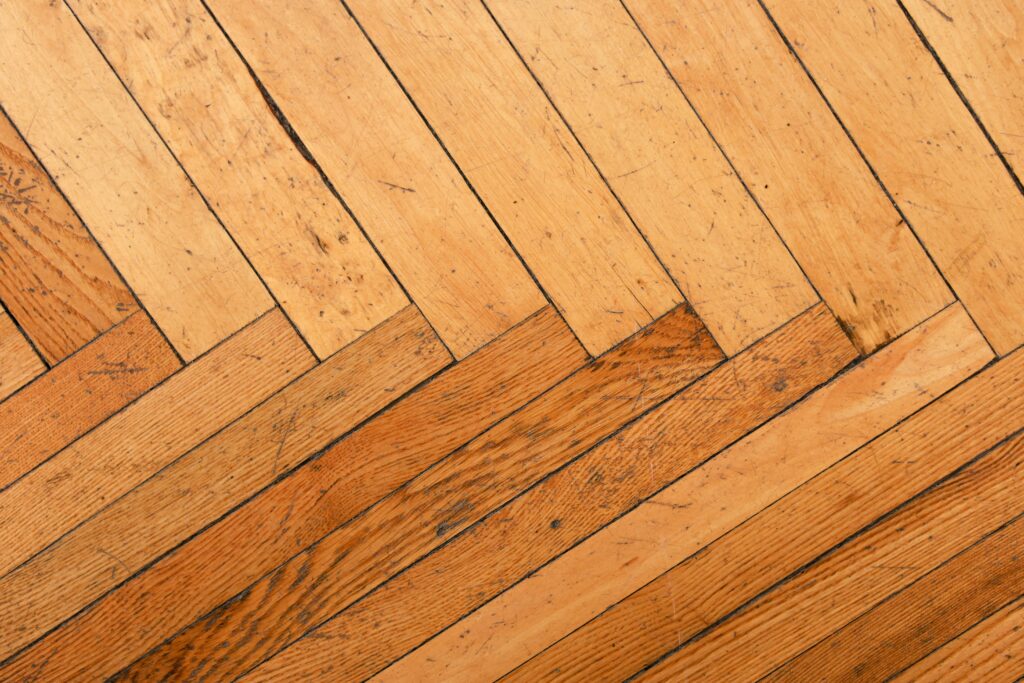
At its core, wood floor creaking comes down to one simple thing: friction.
When wood rubs against another surface — whether that’s another board, a nail, or the subfloor underneath — it creates that familiar squeaking sound. But the reason it’s rubbing in the first place is where things get interesting.
Wood is a naturally hygroscopic material, which means it absorbs and releases moisture from the surrounding environment. As humidity levels rise and fall with the seasons, the wood in your floor expands and contracts. Over time, this constant movement causes boards to shift slightly out of position, loosening their connection to nails, screws, and the subfloor below.
Top Reasons Why Wood Floors Creak
1. Seasonal Wood Movement
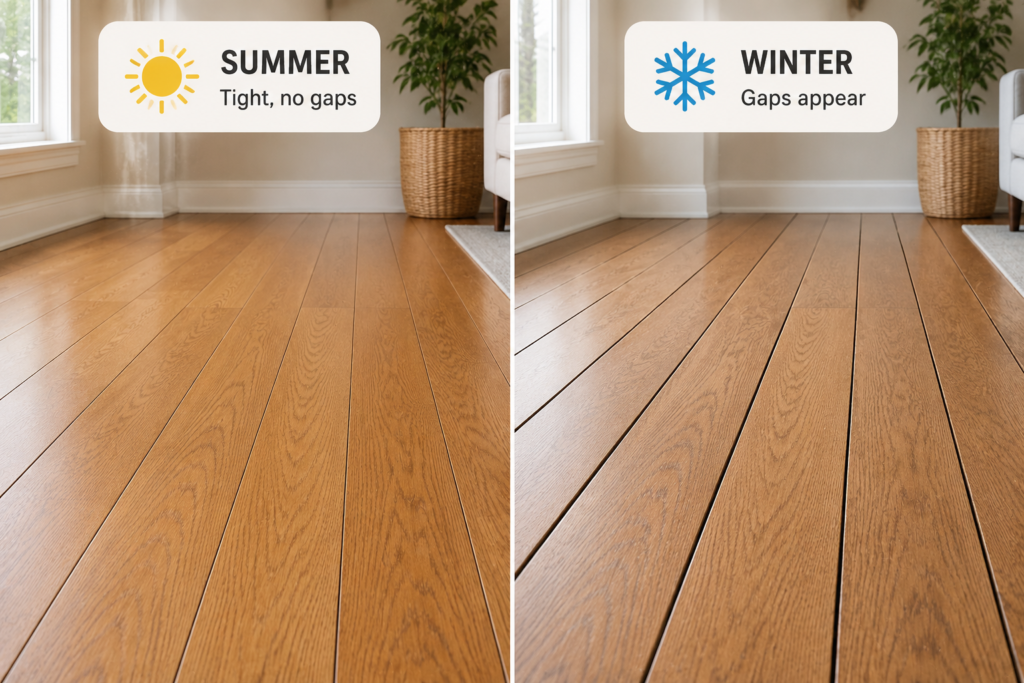
This is the number one culprit behind creaky floors, and it’s completely natural.
During winter, indoor heating reduces humidity, and wood planks shrink. During summer, increased moisture causes them to expand. This repeated cycle of shrinking and swelling loosens the fit between boards and between the flooring and the subfloor.
According to the National Wood Flooring Association (NWFA), indoor humidity levels should ideally be kept between 35% and 55% to minimize excessive wood movement. Installing a whole-home humidifier or dehumidifier can make a significant difference.
Quick Tip: A simple hygrometer placed in your living area will tell you your current humidity level in seconds.
2. Loose Nails or Fasteners
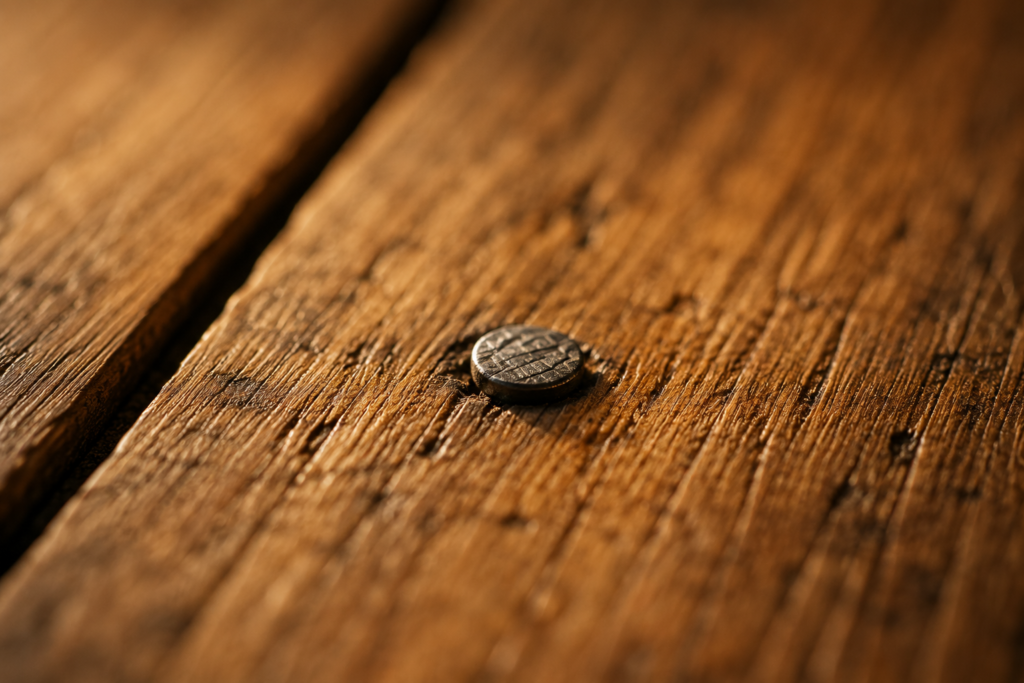
When your floor was originally installed, nails or cleats were used to fasten each board to the subfloor. Over time, as wood expands and contracts, those fasteners can work themselves loose.
A loose nail means the board has a little play in it. Every time someone steps on that spot, the board moves slightly up and down against the nail — and that movement creates sound.
The fix? Driving a new screw or nail through the finished floor directly into the subfloor (or joist) can often silence the creak immediately. Products like the Squeak No More Kit are specifically designed for this and work by driving a scored screw through carpet or hardwood that snaps off flush with the surface.
3. Problems With the Subfloor
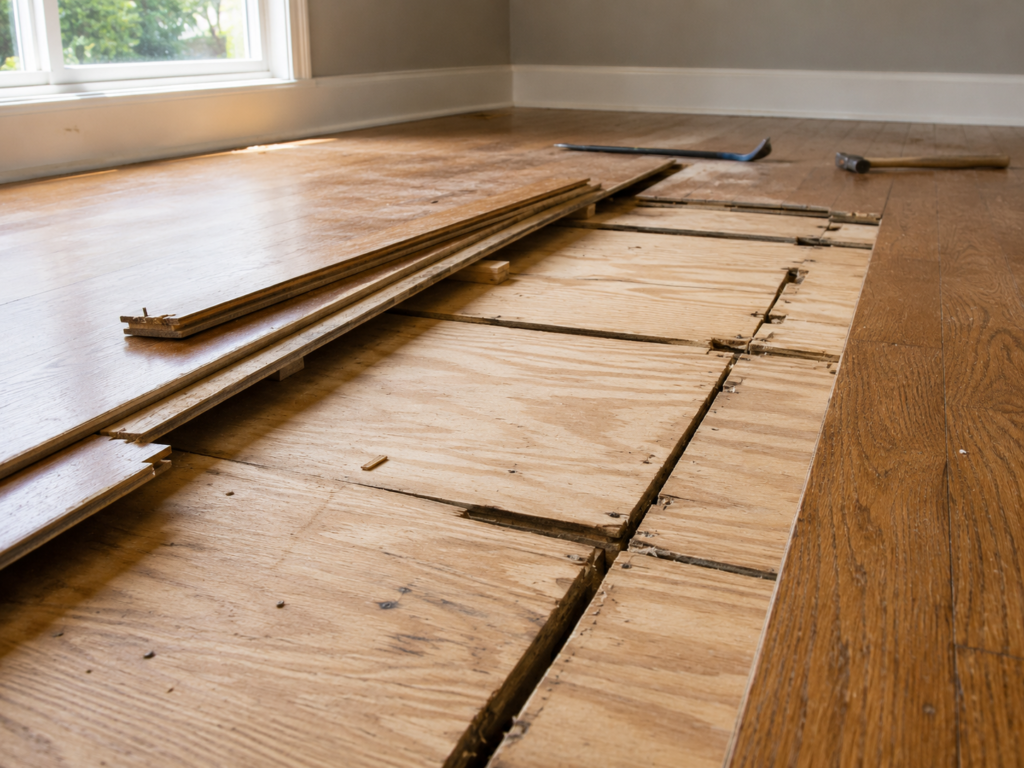
The subfloor is the structural layer that sits directly beneath your finished hardwood floor. It’s usually made of plywood or OSB (oriented strand board).
When the subfloor develops gaps, warps, or unevenness — often due to moisture damage or just age — your hardwood planks end up resting on an irregular surface. Every step causes flexing that produces squeaks.
If you suspect subfloor damage, it’s worth checking from below (if you have basement access) or pulling back a section of flooring. Signs of water damage, rot, or delamination in the subfloor are red flags that need professional attention.
4. Rubbing Between Floorboards
Sometimes the issue isn’t the subfloor at all — it’s the boards themselves rubbing against each other.
When planks shift out of alignment, their edges make contact at the wrong angles. Each footstep pushes them together and apart, generating friction. This kind of creak often sounds more high-pitched, almost like a squeak rather than a groan.
Lubricating the joints between boards with powdered graphite or a dry lubricant like talcum powder is a popular short-term fix. The powder fills the micro-gaps and reduces friction without damaging the wood finish.
5. Gaps Between Floor Joists and Subfloor
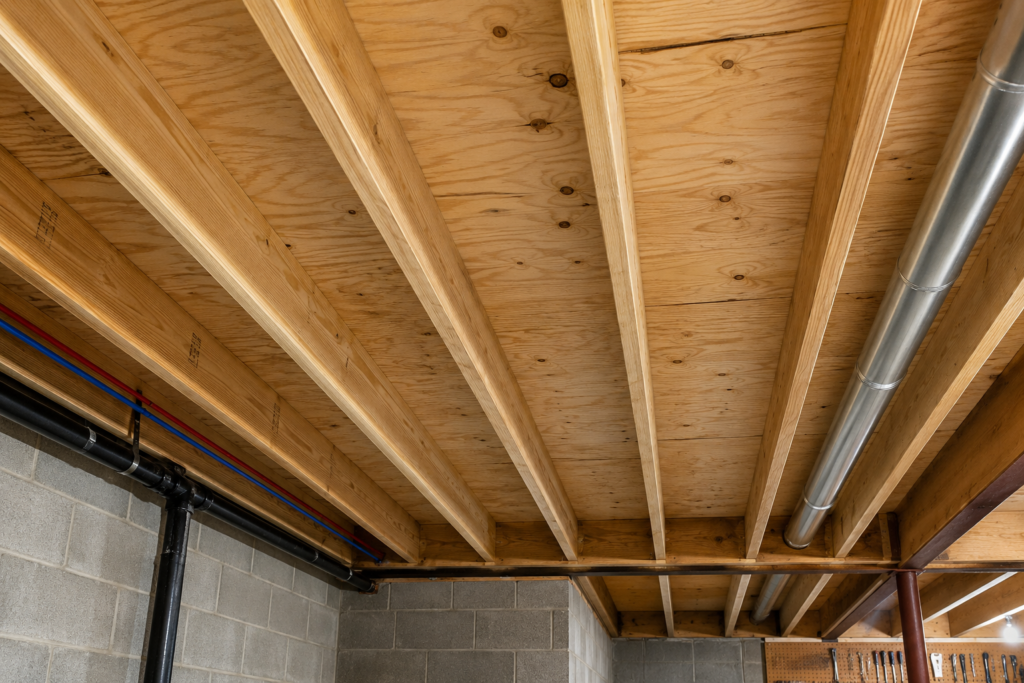
Floor joists are the horizontal beams that support the entire subfloor and finished floor system. When gaps develop between the top of a joist and the underside of the subfloor — often due to joist shrinkage or improper installation — you get movement.
A contractor can address this from below by applying a bead of construction adhesive between the joist and subfloor, or by driving screws up through the joist into the subfloor to pull the two surfaces tight together.
6. Poor Installation
Sometimes floors creak simply because they weren’t installed correctly in the first place.
Common installation mistakes that lead to creaking include:
- Boards not properly acclimated to the home’s humidity before installation (a process the NWFA recommends takes 3–5 days minimum)
- Insufficient fasteners used
- Planks laid perpendicular to joists without adequate support
- No underlayment or vapor barrier used
If a newly installed floor is already creaking, improper acclimation or fastening is usually to blame. A flooring professional should assess the installation.
How to Fix Creaky Wood Floors
| Fix Method | Best For | DIY or Pro? | Cost Estimate |
|---|---|---|---|
| Talcum powder / graphite | Board-to-board rubbing | DIY | $5–$15 |
| Squeeeeek No More Kit | Loose boards from above | DIY | $20–$40 |
| Screw from below | Subfloor-to-joist gaps | DIY (with basement access) | $5–$20 |
| Construction adhesive | Joist-to-subfloor gaps | DIY/Pro | $10–$30 |
| Subfloor repair/replacement | Damaged subfloor | Pro | $500–$2,000+ |
| Full floor replacement | Severe structural issues | Pro | $2,000–$10,000+ |
Expert Tips to Prevent Wood Floors From Creaking
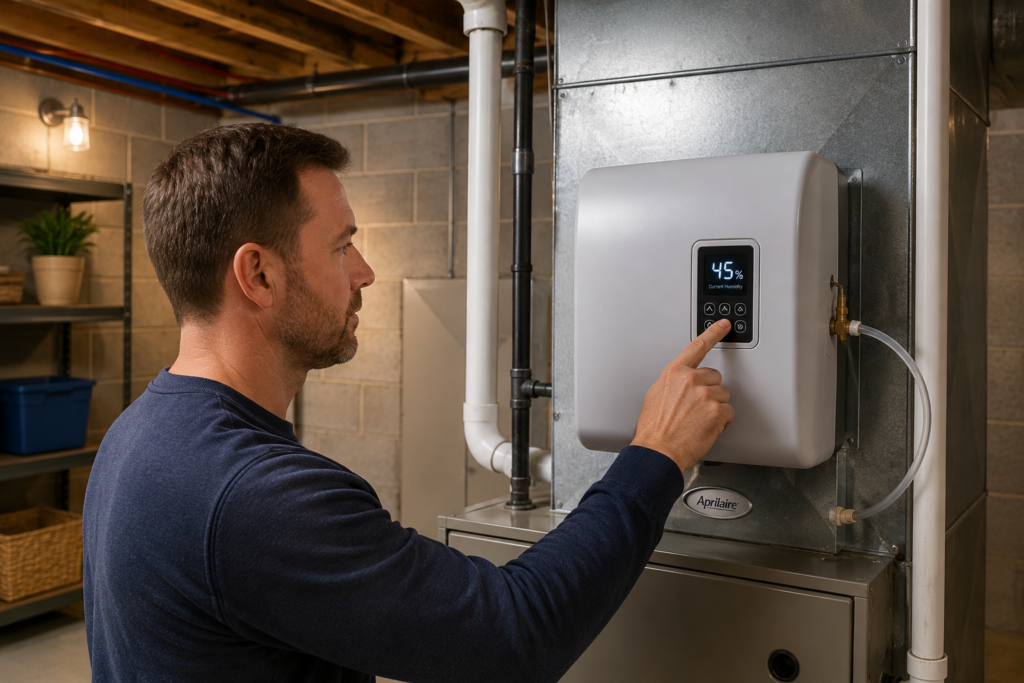
Here’s what flooring professionals consistently recommend to prevent creaks before they start:
1. Control Indoor Humidity Year-Round Use a whole-home humidifier in winter and a dehumidifier in summer to keep humidity between 35–55%. This is the single most effective prevention strategy.
2. Acclimate New Flooring Always allow new hardwood to sit in your home for at least 3–5 days before installation. This lets the wood adjust to your home’s moisture level.
3. Use Quality Fasteners and Adhesive Professional installation with both mechanical fasteners and adhesive provides a more stable hold than fasteners alone.
4. Check the Subfloor Before Installing Before any new floor goes down, inspect the subfloor carefully for soft spots, gaps, or damage. Fixing issues at this stage is far less expensive than after installation.
5. Don’t Ignore Small Creaks One creaky spot today can become five tomorrow. Addressing the problem early — with a simple lubricant or screw — often prevents the issue from spreading.
When Should You Call a Professional?
Most minor creaks are a weekend DIY project. But certain situations call for professional evaluation:
- Multiple areas of the floor creak rather than isolated spots
- Creaking is accompanied by visible gaps, bouncing, or soft spots in the floor
- You have no basement access and the creak is structural
- You suspect subfloor water damage or rot
- The floor was recently installed and is already squeaking — this may be a warranty issue
A certified flooring inspector from a company certified by the NWFA can assess your floor and provide a written diagnosis — often for $100–$300, which could save you thousands on unnecessary repairs.
FAQs: Why Do Wood Floors Creak
Q1: Is it normal for wood floors to creak?
Yes, occasional creaking is completely normal. Wood is a living material that naturally expands and contracts with humidity changes. Some level of movement — and the sounds that come with it — is expected, especially in older homes or during seasonal transitions.
Q2: Do new wood floors creak?
They can, and this is usually a sign of a problem. New floors that creak often weren’t properly acclimated before installation, or they were fastened incorrectly. Contact your flooring installer to evaluate — most reputable companies will address this under warranty.
Q3: Can creaky floors be a sign of structural damage?
In most cases, no. But if creaking is widespread, accompanied by floors that feel springy or soft underfoot, or you notice visible floor sagging, it’s worth having a structural engineer or contractor take a look. These symptoms can indicate joist damage or subfloor deterioration.
Q4: Does humidity really affect hardwood floors that much?
Absolutely. Research from the USDA Forest Products Laboratory consistently shows that wood moisture content is directly tied to ambient humidity. Even a 10% change in relative humidity can cause solid hardwood planks to expand or contract by several millimeters — more than enough to create noisy friction between boards.
Q5: What is the cheapest way to stop wood floors from creaking?
The cheapest DIY fix is applying powdered graphite or talcum powder into the joints between squeaky boards. This costs $5–$15 and takes about 10 minutes. It’s not a permanent fix for all types of creaks, but it’s an excellent starting point for surface-level friction issues.
Conclusion
Creaky wood floors are one of those home quirks that range from charming to downright annoying. Now that you understand why wood floors creak — from seasonal wood movement and loose fasteners to subfloor problems — you’re in a much better position to tackle the issue head-on.
Start with the simplest fixes first: a dry lubricant, a well-placed screw, or better humidity control. If those don’t solve it, dig deeper into the subfloor and joist system, or bring in a certified professional to assess the situation.
The key takeaway? Don’t ignore a creaky floor. Early intervention is almost always cheaper and easier than a full repair down the road.
Also Read: Does Conditioner Cause Hair Loss? The Truth About Conditioner and Hair Fall

