
You just finished washing your hair. You look down at the shower drain and see more hair than usual. Your conditioner is still on your hands.
Naturally, you wonder — is my conditioner doing this?
It’s a question millions of people search for every month. And the answer is more nuanced than a simple yes or no.
Let’s break it all down and explore why this concern arises for so many people.
Quick Answer: Conditioner itself does not cause hair loss. In fact, used correctly, it protects your hair. However, applying it to your scalp with the wrong formula or leaving it on can cause buildup, irritation, and increased shedding — which many people confuse with actual hair loss.
Why Do You Lose Hair When Using Conditioner?
Before blaming your conditioner, understand what’s actually happening in the shower.
Your hair naturally sheds 50 to 100 strands every single day. This is completely normal. Most of those shed hairs don’t fall out immediately — they stay tangled in the rest of your hair until something loosens them.7p0
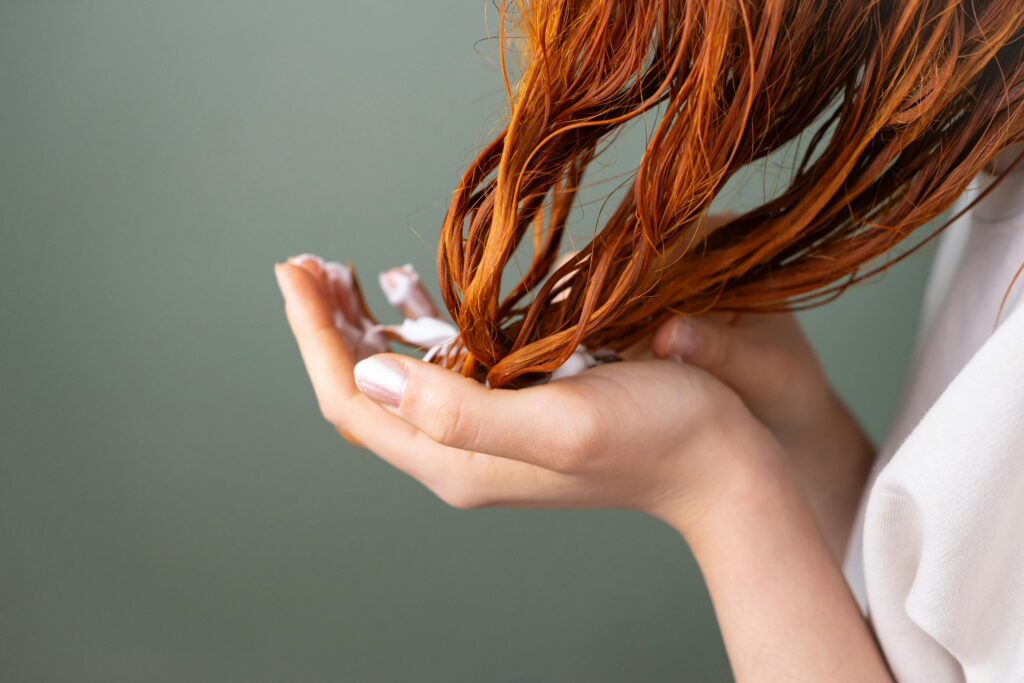
Conditioner is a detangler. When you apply it, it smooths the hair cuticle and separates strands that were holding onto shed hairs. All those hairs you were going to lose anyway? They release at once in the shower, in your hands, circling the drain.
This creates an illusion of hair loss when it’s actually just natural shedding becoming visible.
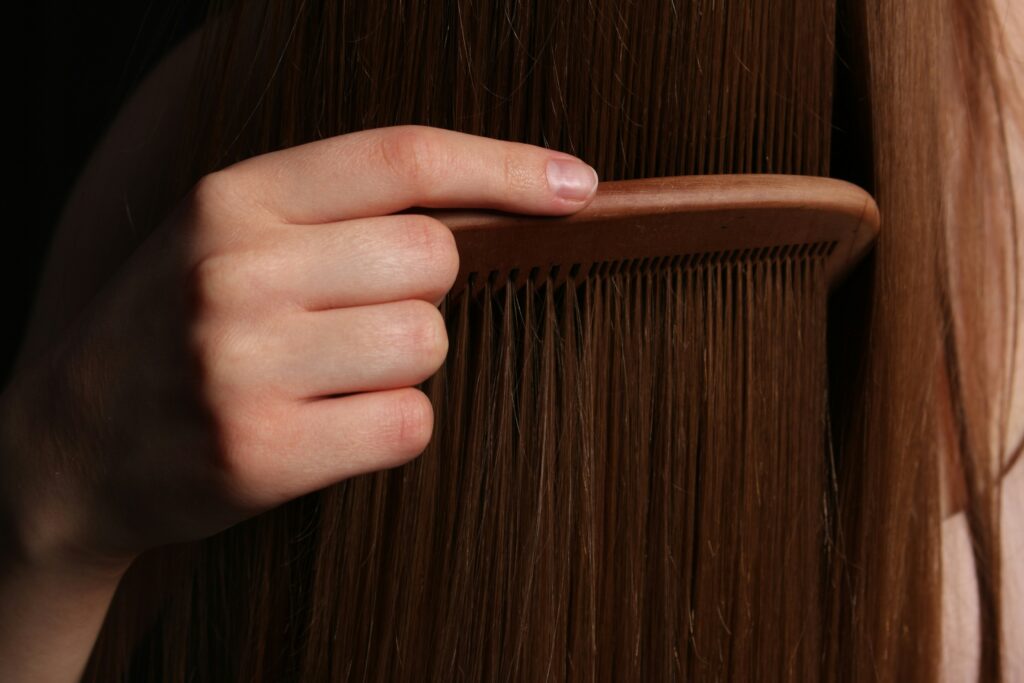
So if you notice more hair coming out when you use conditioner versus when you skip it, that’s likely why. The conditioner didn’t cause the loss — it just released what was already there.
Can Conditioner Actually Cause Hair Loss or Damage?
In most cases, no. But there are real situations where conditioner can contribute to hair problems.
Applying Conditioner to Your Scalp
This is the most common mistake — and it causes real problems.
Your scalp produces sebum, a natural oil that helps keep it balanced. When you add conditioner directly to the roots and scalp, you’re adding extra moisture and coating on top of sebum. This leads to:
- Follicle clogging — product and oil build up around hair follicles, potentially affecting how well they function.
- Scalp greasiness — excess oil makes the scalp environment unfriendly to healthy hair growth
- Inflammation — in sensitive scalps, this buildup can cause irritation and increased shedding.
Always apply conditioner from the mid-lengths to the ends only. Never on the scalp or roots.
2. Harsh or Wrong Ingredients
Not all conditioners are created equal. Some contain ingredients that can genuinely irritate the scalp or weaken hair over time:
Ingredients to watch out for:
| Sulfates (SLS, SLES) | Strip natural oils, dry out scalp |
| Parabens | May cause scalp irritation and sensitivity |
| Silicones/Dimethicone | Build up over time, block moisture from entering hair shaft |
| Short-chain alcohols (ethanol, isopropyl) | Dry out strands, cause brittleness and breakage |
| Artificial fragrances | Common irritant, especially on sensitive scalps |
If you notice your hair feeling drier or more brittle, or your scalp becoming irritated, after switching conditioners, check the ingredient list for these compounds.
Ingredients that are actually good for hair:
- Panthenol (Vitamin B5) — draws moisture into strands.
- Shea butter — deeply nourishing, prevents breakage
- Argan oil — lightweight, adds shine without buildup.
- Coconut oil — penetrates the hair shaft and reduces protein loss.
- Keratin — strengthens the hair structure.
3. Over-Conditioning
Too much of a good thing applies here. If you condition every day with a heavy formula, especially one designed for dry or thick hair, you can over-moisturize your hair.
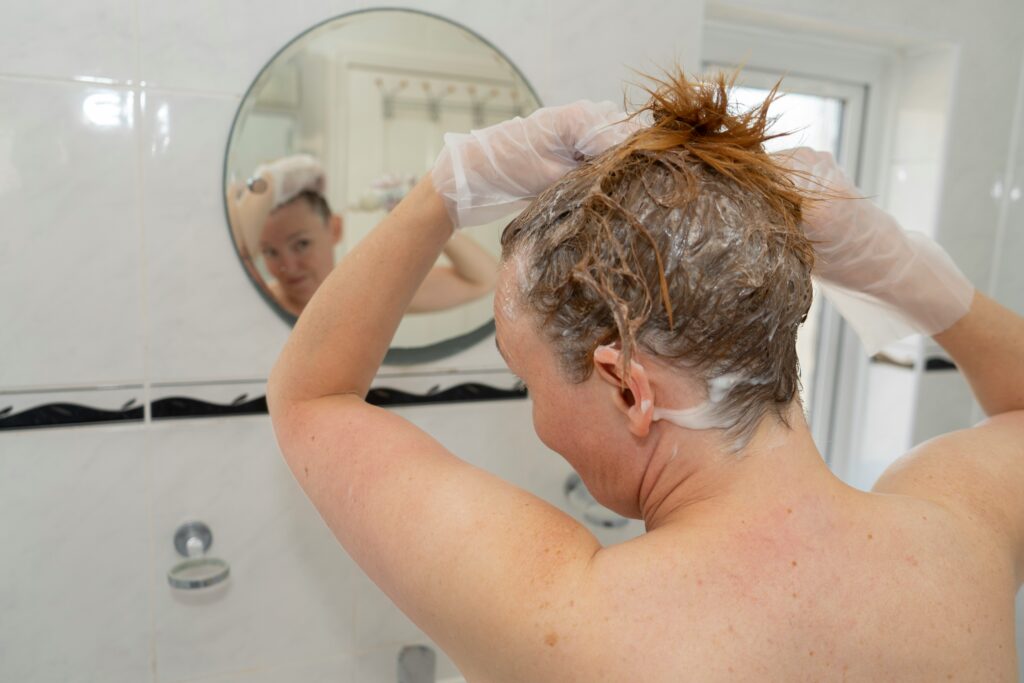
Over-moisturized hair becomes:
- Overly soft and weak
- Prone to breakage (hair needs a balance of moisture AND protein)
- Limp and flat
- More susceptible to damage
This kind of breakage is often mistaken for hair loss — strands break mid-shaft rather than falling from the root.
Match your conditioner to your hair type. Fine hair needs lighter formulas. Coarse or chemically treated hair needs heavier moisture. And unless your hair is very dry or color-treated, every other wash is enough. Now, let’s look at other mistakes that can create conditioner-related problems.
4. Not Rinsing Properly
Leaving conditioner residue on your hair and scalp after washing is one of the most overlooked causes of scalp problems.
- Builds up with each wash
- Mixes with dirt and natural oils to clog follicles
- Creates a breeding ground for bacteria
- Can cause an itchy, inflamed scalp
Rinse until your hair feels clean and slightly squeaky — not coated or heavy.
How to Use Conditioner Without Losing Hair
Follow these streamlined steps to maximize conditioner benefits:
Shampoo first, then towel-dry lightly
Apply conditioner to damp hair for best absorption.
Condition only from mid-lengths to ends.
Keep conditioner away from scalp and roots.
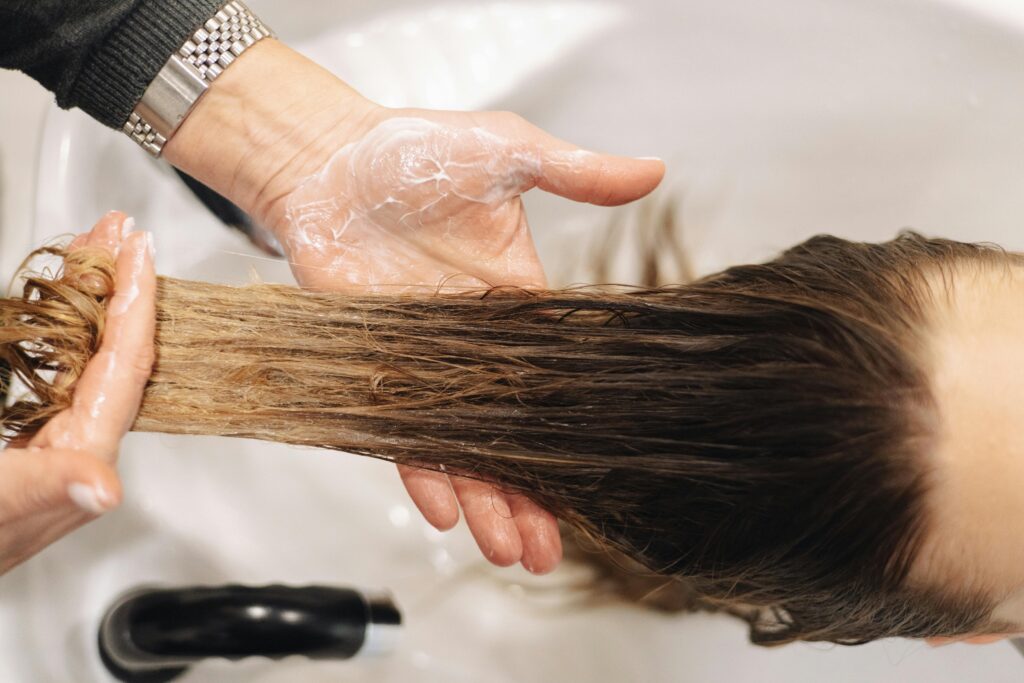
Use the right amount.
Short hair: coin-sized. Medium: two coins. Long/thick: three. More isn’t better.
Apply properly
Rub the conditioner between your palms, then distribute it through your hair with your fingers.
Leave it for 2–3 minutes.
Conditioners take 2–3 minutes; no need to leave them on longer (except for deep treatments).
Rinse thoroughly
Rinse thoroughly until the water runs clear.
Does Conditioner Cause Hair Loss for Specific Hair Types?
Now that you know the general relationship, here’s what to consider for your hair type.
Different hair types have different needs and different risks.
Fine or oily hair
Most at risk from over-conditioning. Use lightweight, volumizing formulas. Condition every other wash at most, and keep it strictly to the ends.
Thick or coarse hair
Can handle richer formulas and more frequent conditioning. Hair is more prone to dryness and breakage without moisture.
Color-treated or chemically processed hair
Conditioning is essential, but the chemical treatments strip moisture. Look for sulfate-free, protein-rich formulas.
Curly or textured hair
Needs the most moisture. Co-washing (conditioner-only washing) is common and safe for curly hair when done correctly.
Sensitive scalp
Focus on fragrance-free, hypoallergenic formulas. Avoid silicones and parabens. Irritation is your biggest risk.
Hair Loss Has Nothing to Do With Conditioner
If you’re losing more hair than usual, conditioner is rarely the real culprit. More likely causes include:
- Androgenetic alopecia (male or female pattern hair loss) — the most common cause, genetic
- Telogen effluvium — stress, illness, or hormonal changes push more hair follicles into the shedding phase.
- Nutritional deficiencies — such as low iron, zinc, or protein — commonly cause increased shedding.
- Thyroid disorders — both overactive and underactive thyroid affect hair growth.
- Traction alopecia — tight hairstyles pulling on the hairline over time
- Scalp infections or conditions — dandruff, psoriasis, folliculitis

If you’re noticing consistent, significant hair loss like more than 100 strands daily, visible thinning, or a receding hairline. Changing the conditioner will not help in this situation. See a dermatologist or trichologist for proper evaluation.
Conditioner vs. Hair Loss: The Real Relationship
Conditioner protects against hair loss more than it causes it. Dry, brittle, poorly moisturized hair breaks more easily. Regular conditioning, if done correctly, will reduce breakage, strengthen the hair shaft, and maintain the flexibility that keeps strands intact through styling and washing.
The people most at risk of hair-related problems from conditioner are those who:
- Apply it to the scalp.
- Use formulas with irritating ingredients for their skin type.
- Never rinse properly
- Over-condition daily with heavy products
Avoid those mistakes, and conditioner becomes one of the best things you can do for your hair’s health.
Final words
Conditioner does not cause hair loss. What it does do is release shed hairs that were already there, which can look alarming, but is completely normal.
Where conditioner can become a problem: applying it to the scalp, using harsh ingredients, over-conditioning, or skipping a thorough rinse. These habits lead to buildup, irritation, and breakage — not true hair loss, but problems that compound over time if ignored.
Use conditioner correctly — mid-lengths to ends, right formula for your hair type, rinsed out completely — and it’s one of the best tools you have for keeping your hair healthy, strong, and growing.
Frequently Asked Questions
Does conditioner cause hair loss, or is it just shedding?
Conditioner increases visible shedding by detangling hair and releasing previously shed, still-tangled strands. This is not hair loss — it’s natural shedding that was delayed. True hair loss means fewer hairs growing back, not just more coming out in the shower.
Can conditioner cause hair thinning?
Not directly. However, frequent scalp application, heavy silicone buildup, or a formula that irritates your scalp can cause inflammation, which, over time, may affect the hair growth environment. These effects are usually reversible once the issue is corrected.
Is it okay to use conditioner every day?
It depends on your hair type. Fine or oily hair generally does better with every-other-day or twice-weekly conditioning. Coarse, curly, or dry hair can tolerate daily conditioning. Regardless of hair type, never apply conditioner to the scalp daily.
What happens if I never use conditioner?
Hair becomes dry, brittle, and prone to breakage over time. The cuticle remains roughened after shampooing, leading to tangles and friction damage. Over time, skipping conditioner often causes more hair damage than using it.
Can conditioner cause scalp buildup?
Yes, if applied to the scalp or not rinsed out fully. This buildup can clog follicles and cause irritation. Stick to applying from mid-lengths to ends and rinse thoroughly.
Which conditioner is best for hair loss?
There’s no single best conditioner for hair loss, as hair loss has many causes. For general hair health, look for formulas with panthenol, keratin, argan oil, or biotin. Avoid sulfates, parabens, and synthetic fragrances if you have a sensitive scalp.

